

TANK GUIDES
Rainwater
Harvesting Guide
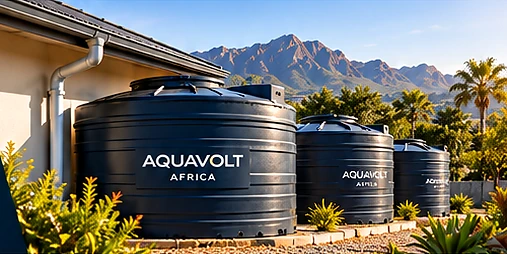
Learn how to collect, filter, store and use rainwater efficiently. A practical guide to planning a rainwater harvesting system for your home, farm or business.
Explore the GuideSustainable Water UseMake practical use of rainfall on your property.
Quality FiltrationKeep leaves and debris out of stored water.
Durable StorageTank solutions designed for local conditions.
Practical GuidanceFrom planning to regular care.
UNDERSTANDING
How Rainwater Harvesting Works
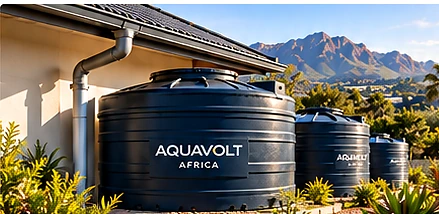
Rainwater harvesting collects water from suitable roofs, channels it through gutters and downpipes, removes debris and stores it in a tank for later use. A well-planned system can help with garden watering, washing, cleaning and certain agricultural tasks.
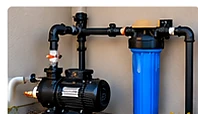
Your setup may need a leaf screen, first-flush device, appropriate filtration, secure storage and a pump. Water intended for drinking needs additional treatment and testing to meet applicable quality standards.
RAINWATER COLLECTION
Rainwater Harvesting Process
From roof collection to safe storage and suitable reuse — follow the illustrated six-step journey.
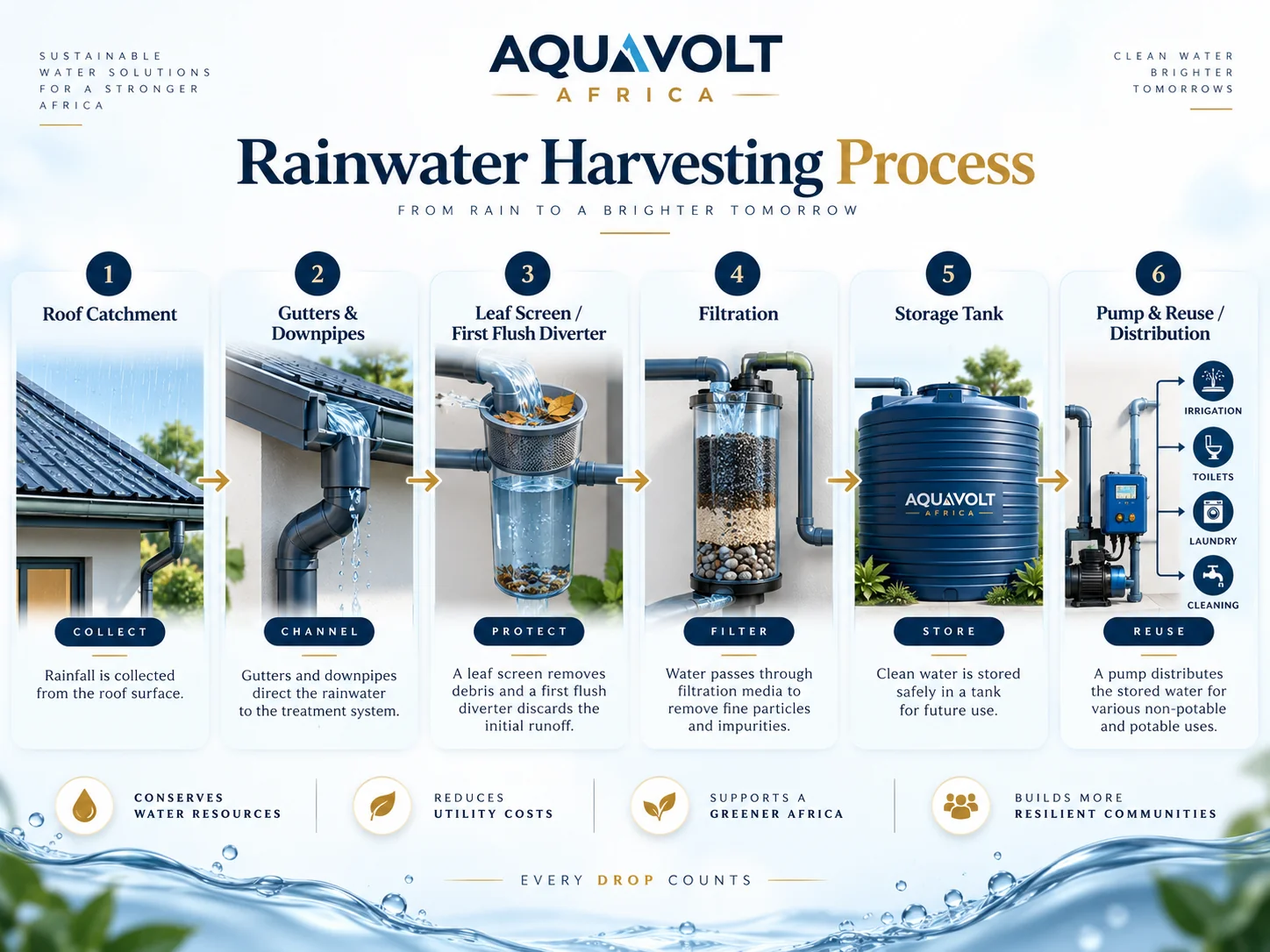
Step-by-step explanation
- 01
Roof Catchment
Rain falls on a suitable roof surface and is directed toward the collection system.
- 02
Gutters & Downpipes
Gutters and downpipes channel collected runoff toward preliminary treatment.
- 03
Leaf Screen & First Flush
Remove debris with a leaf screen; a first-flush diverter can reject initial runoff.
- 04
Filtration
Water passes through appropriate filtration chosen for the source and intended use.
- 05
Storage Tank
A covered, appropriately installed tank holds collected rainwater for later use.
- 06
Pump & Reuse
Pump or gravity-feed water to permitted uses such as irrigation or cleaning; assess treatment needs.
Filtration for non-potable uses does not necessarily make rainwater safe to drink. Potable use requires appropriate treatment and testing; comply with local rules.
KEY SYSTEM COMPONENTS
Essential Parts of a Rainwater Harvesting System
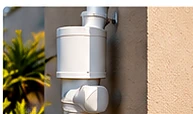
First-Flush Diverters
Divert the first flow of dirty roof runoff before water reaches the tank.
View Guide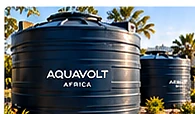
KEY BENEFITS
Why Harvest Rainwater?
Rainwater storage offers practical benefits when the system is designed and maintained correctly.
Save Water
Reduce reliance on mains water for appropriate non-potable uses.
Backup Supply
Keep stored water available for suitable tasks during interruptions.
Potential Savings
Lower mains-water use can reduce usage-related costs, subject to local tariffs.
Environmental Benefits
Capture a useful resource and potentially reduce stormwater runoff.
INSTALLATION & MAINTENANCE
Installation & Maintenance Tips
Plan the roof catchment, pre-filtration, tank base and delivery pipework together for a reliable setup.
- Fit gutters and downpipes with a suitable fall and roof debris guards.
- Use a leaf screen and consider a first-flush diverter.
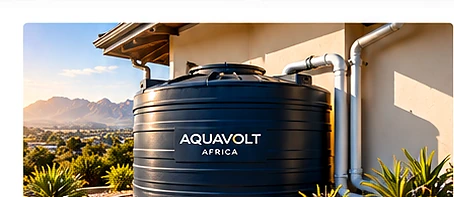
- Choose tank volume based on roof area, expected rainfall and demand.
- Position the tank on a firm, level, suitable foundation.
- Keep gutters, filters and overflow lines clear; inspect after storms.
- Do not assume harvested rainwater is drinkable without appropriate testing and treatment.
RAINWATER HARVESTING FAQ
Frequently Asked Questions
Answers to common questions about collecting and using rainwater.
How much rainwater can I collect from my roof?
A rough estimate in litres is roof catchment area in square metres × rainfall in millimetres × an efficiency factor (for example, 0.8). Actual yield varies with roof type, losses, rainfall and maintenance.
What size tank do I need?
Estimate how much water you will use between rain events and how much your roof can collect. Also consider space, budget and overflow arrangements. Our team can help compare tank sizes.
Do I need a first-flush diverter?
A first-flush device is often useful because it diverts the initial runoff, which can carry dust, bird droppings and other contaminants. It does not replace any treatment needed for potable use.
Can rainwater be used for drinking?
Do not assume rainwater is safe to drink. Potable use requires a suitable system, correct filtration and disinfection, water-quality testing and compliance with local requirements.
Need help setting up rainwater harvesting?
Find the appropriate water storage tank and discuss the basics of a practical system.